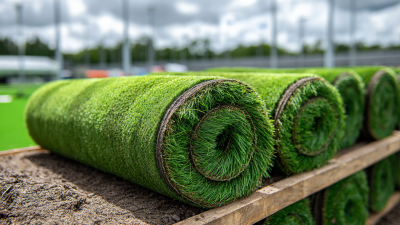
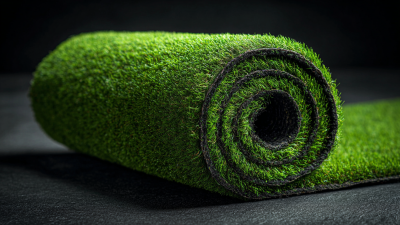
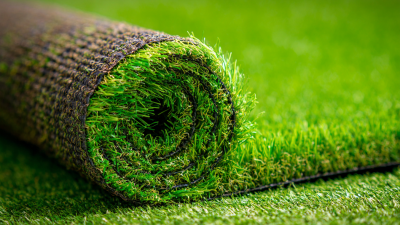
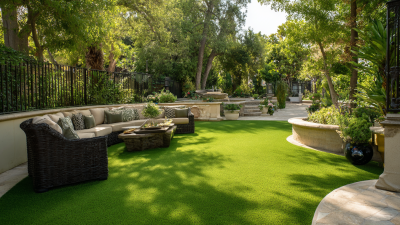
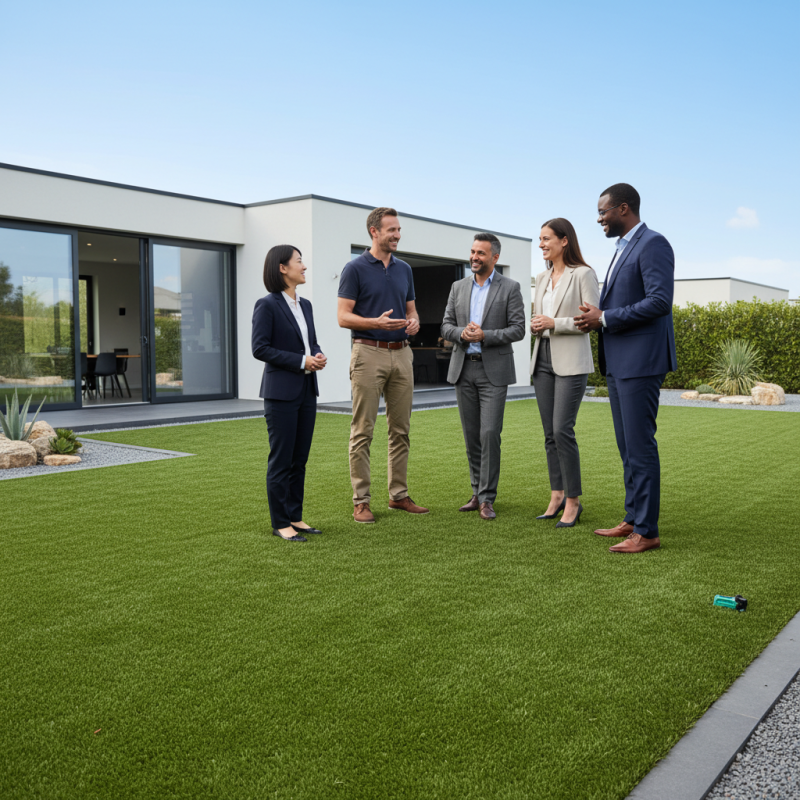
In today’s world of modern landscaping, synthetic grass has really become a game-changer for pretty much any property owner thinking about upgrading their outdoor space. John Mitchell, who’s a big name in the synthetic grass scene and works at GreenScape Innovations, puts it simply: "Synthetic grass offers some seriously amazing benefits—it's pretty much a perfect blend of beauty and practicality." That really says a lot about how more and more people around the world are catching on to the appeal of Artificial Turf.
One of the coolest perks of synthetic grass? Its low-maintenance vibe. Unlike real grass, you don’t have to bother with watering or mowing, which means you save a ton of time and resources. Plus, it’s actually better for the environment since you don’t need to use harmful pesticides. A lot of homeowners love how it looks too — the vivid colors and natural feel can totally transform the look of any backyard or garden.
That said, it’s not all sunshine and roses. Some folks do get hung up on the upfront cost of installing synthetic grass, and there are debates about how durable it really is. But honestly, when you look at the long-term perks—less upkeep, eco-friendliness, and the great visual appeal—they often end up outweighing those initial worries. People just need to weigh their options and decide what makes sense for them. Looking ahead, it seems like synthetic grass might be the future in landscaping, especially because it’s sustainable, easy to maintain, and simply convenient.
Benefits of Synthetic Grass: An Overview of Market Trends
Synthetic grass has gained immense popularity across various global markets. As environmental concerns rise, many buyers seek sustainable solutions. A report by Global Industry Analysts suggests that the Synthetic Turf market is projected to reach $3.5 billion by 2027. This trend indicates a shift towards eco-friendly landscaping options, especially in urban areas.
One major benefit of synthetic grass is water conservation. Traditional lawns require significant water for maintenance, whereas Synthetic Turf conserves water by reducing the need for irrigation. In regions facingdrought, this is particularly advantageous. Additionally, synthetic grass eliminates the need for harmful pesticides. A survey conducted by the Synthetic Turf Council shows 90% of users appreciate the environmentally friendly aspect.
Tips: When considering synthetic grass, evaluate your local climate. In hotter regions, choose a product that reflects heat and minimizes surface temperature. Regular maintenance is essential, even for synthetic options, to ensure longevity. Periodic cleaning keeps the surface fresh and can prevent potential fading. Always consult with industry professionals for tailored advice, ensuring your investment is worthwhile.
Environmental Impact: Reducing Water Usage and Chemical Fertilizers
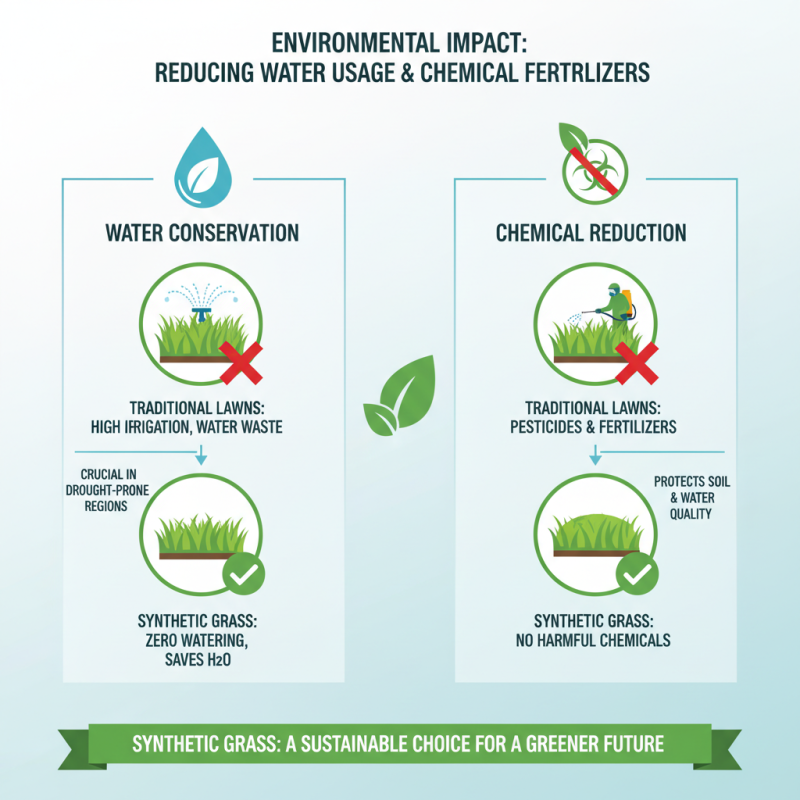
Synthetic grass offers significant environmental benefits, particularly in reducing water usage. Many regions face water scarcity. Traditional grass lawns require substantial irrigation, wasting precious resources. By switching to synthetic options, homeowners and businesses can significantly decrease water consumption. This shift is crucial as droughts become more frequent.
Moreover, synthetic grass minimizes the need for chemical fertilizers. Natural grass demands frequent treatments to stay lush and green. These chemicals often leach into waterways, harming ecosystems. Instead, a Grass Carpet requires minimal maintenance. This means reduced chemical runoff, promoting a healthier environment.
Although synthetic grass is not a perfect solution, it encourages a more sustainable lifestyle. It's essential to consider the materials used in production. Not all synthetic grasses are created equally; some may have a larger environmental footprint. Buyers should seek options with recycling programs and certified materials. This approach ensures that while enjoying a beautiful lawn, we are also caring for our planet.
Cost-Effectiveness: Long-term Savings and Maintenance Comparisons
Synthetic grass offers significant cost-effectiveness for global buyers. One of the main advantages is its potential for long-term savings. According to the American Society of Landscape Architects, maintaining natural grass can cost homeowners approximately $1,000 annually. In contrast, the upkeep for synthetic grass drops to around $200 per year, primarily for rinsing and occasional brushing. This stark difference presents a compelling reason for buyers to consider synthetic options.
Moreover, a report from the Synthetic Turf Council highlights that synthetic grass can last 15 to 25 years, far exceeding the typical lifespan of natural grass. While the initial investment might be higher, when spread over many years, the cost per year actually diminishes. Buyers are often surprised by how infrequent watering and mowing contributes to these savings. However, the installation process can involve upfront challenges, including site preparation and potential drainage issues.
Understanding these factors empowers buyers. Making an informed decision requires weighing the initial costs against long-term benefits. Professional installation is crucial, which can add to the expense. But, the long-term maintenance needs are much lower. Many buyers find themselves realizing the benefits only after several years. They see the undeniable advantages of reduced labor and costs.
Durability and Longevity: Statistics on Life Span of Synthetic Grass
The lifespan of synthetic grass, or Artificial Grass, is a crucial factor for global buyers. Studies reveal that quality Artificial Grass can last between 15 to 25 years with proper care. This durability makes it a cost-effective solution for both residential and commercial applications. Unlike natural grass, synthetic alternatives do not fade easily and require less maintenance. Homeowners can enjoy vibrant lawns year-round, regardless of weather conditions.
Many buyers appreciate that artificial grass can withstand heavy foot traffic. In areas like sports fields, the surface remains functional even after extensive use. However, some users report concerns about heat retention or surface softness under intense sunlight. Addressing these issues can enhance the user experience.
The longevity of artificial grass hinges on installation quality and material choice. Missteps during installation can lead to premature wear. Buyers must consider long-term maintenance practices to ensure their investment pays off. Overall, the lifespan of synthetic grass presents opportunities for reliable solutions in landscaping and recreational spaces.
Durability and Longevity of Synthetic Grass
This bar chart illustrates the expected life span of synthetic grass products in years. The data shows a significant increase in longevity, with products potentially lasting up to 30 years depending on the quality and maintenance.
Safety Features: Injury Prevention and Allergen Reduction Data
Synthetic grass offers numerous safety features that make it an attractive option for global buyers. According to a 2022 report from the International Journal of Public Health, artificial turf surfaces have significantly lower injury rates compared to natural grass. This is mainly due to the consistent surface quality that synthetic grass provides, reducing the likelihood of falls and other accidents. Many sports facilities have started to adopt synthetic grass to enhance player safety on fields.
In terms of allergen reduction, synthetic grass presents a compelling advantage. A study published in the Journal of Allergy and Clinical Immunology found that synthetic turfs tend to accumulate fewer allergens. This can potentially lead to reduced allergic reactions for users, particularly those sensitive to pollen and other natural allergens. As a result, families with allergy-prone members may find that synthetic grass offers a cleaner alternative for outdoor play areas and backyards, allowing for more enjoyable experiences.
Despite these benefits, some concerns linger regarding the material's heat retention and potential chemical composition. A 2021 study by the Environmental Protection Agency noted that higher temperatures on synthetic surfaces could pose risks. This warrants consideration in regions with extreme heat. Although synthetic grass can enhance safety, careful assessment of environmental factors is necessary for long-term user well-being.
Aesthetic Appeal: Design Versatility and Visual Statistics
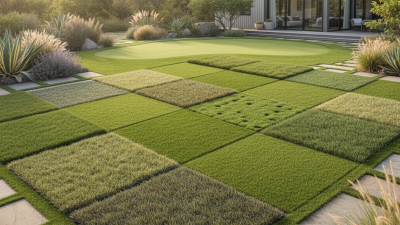
Synthetic grass has become increasingly popular due to its aesthetic appeal and design versatility. Many homeowners find it an attractive alternative to natural grass. According to a recent industry report, nearly 30% of buyers prioritize aesthetics when considering synthetic grass options. This statistic highlights the importance of visual design in landscaping.
The flexibility in design offered by synthetic grass allows for unique landscaping scenarios. From residential gardens to commercial spaces, Fake Grass Carpet can be tailored to suit various aesthetics. Many choose vibrant colors or specific textures to enhance their outdoor areas. A study revealed that 65% of landscape architects frequently incorporate synthetic grass in their designs for its visual impact.
Despite its advantages, some concerns remain. People often wonder about the environmental impact of synthetic options. Research shows that proper installation and maintenance can mitigate potential issues. It's essential for buyers to consider these aspects. Engaging with professional installers can provide insights into best practices. As the industry evolves, educating consumers will play a key role in addressing these uncertainties.
Top Benefits of Synthetic Grass for Global Buyers
| Benefit | Description | Visual Statistics (%) |
| Aesthetic Appeal | High-quality synthetic grass mimics the look of natural grass, enhancing the visual appeal of any space. | 85% |
| Design Versatility | Available in various styles and colors, suitable for landscaping, sports fields, and playgrounds. | 90% |
| Water Conservation | Reduces the need for irrigation, leading to substantial water savings. | 70% |
| Durability | Resistant to wear and tear, making it ideal for high-traffic areas. | 95% |
| Low Maintenance | Eliminates the need for mowing, fertilizing, and weeding, saving time and money. | 80% |
| Eco-Friendly | Made from recyclable materials, contributing to sustainability efforts. | 75% |
Market Growth: Global Demand and Forecasted Industry Expansion
The global demand for synthetic grass is booming. Many factors drive this growth. Urbanization plays a significant role. Cities are struggling to maintain natural landscapes. Synthetic grass offers a practical solution. It is low-maintenance and durable, making it ideal for busy urban settings.
Forecasts show consistent industry expansion. Countries are increasingly adopting synthetic grass in various applications. Sports fields, residential yards, and commercial spaces all benefit from it. The technology continues to evolve, leading to better aesthetics and functionality. More consumers realize the value of synthetic alternatives.
However, challenges remain. Environmental concerns about production and disposal are significant. Some buyers question the long-term impact on ecosystems. Yet, advancements in materials are addressing these concerns. Industry players must continually improve practices. There are still questions about the longevity of synthetic grass. Consumers seek reliable products that withstand climate changes. The future of this market will require transparency and innovation.
Enhancing Sports Facilities: The Benefits of Artificial Grass Surface Rubber Tile for Optimal Training Performance
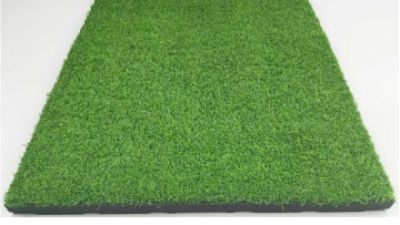
In the pursuit of enhanced athletic performance, the choice of training surface is paramount. The innovative rubber tile featuring an artificial grass surface is designed specifically for modern Gyms and functional training environments, providing an optimal foundation for athletes to hone their skills. This flooring not only mimics the feel of natural grass but also integrates a resilient rubber base that supports intensive training activities.
The realistic turf layer facilitates a variety of workouts, from sled pushes to agility drills, making it an ideal choice for dynamic conditioning exercises. Athletes benefit from the shock-absorbing properties of the rubber backing, which offers superior stability and impact protection during rigorous training sessions. Additionally, the noise reduction capabilities of the flooring create a more pleasant training atmosphere, allowing athletes to focus on their performance without distractions.
In summary, this advanced flooring solution elevates the training experience by combining aesthetic appeal with functional benefits. It supports athletes in achieving their optimal performance while ensuring a safe and comfortable environment. For sports facilities aiming to enhance their training zones, this artificial grass surface rubber tile presents an excellent investment for fostering athletic excellence.
FAQS
: Synthetic grass significantly reduces water usage and minimizes the need for chemical fertilizers.
Many regions face water scarcity, and synthetic grass can drastically decrease water consumption compared to traditional lawns.
Unlike natural grass, synthetic grass requires minimal maintenance, reducing chemical runoff and promoting healthier ecosystems.
Buyers should focus on the materials used and seek options with recycling programs to minimize environmental impact.
Quality synthetic grass can last 15 to 25 years when properly cared for, making it a lasting investment.
Yes, synthetic grass is durable and can withstand heavy foot traffic, making it ideal for sports fields.
Some users worry about heat retention and softness under intense sunlight. Addressing these can improve satisfaction.
Yes, proper installation is crucial. Missteps can lead to premature wear, affecting the overall lifespan of the grass.
Not all synthetic grass is the same; materials and production methods can impact the environment significantly.
Opting for products with certification and recycling programs helps promote a sustainable lifestyle.
Conclusion
Synthetic grass has emerged as a compelling alternative for buyers worldwide, driven by numerous benefits that highlight its market relevance. One of the primary advantages is its environmental impact, significantly reducing water usage and the need for chemical fertilizers, which aligns with growing sustainability efforts. Additionally, synthetic grass is increasingly cost-effective. Its durability ensures long-term savings compared to natural grass, with lower maintenance requirements. Safety features also enhance its appeal, as synthetic grass can help prevent injuries and minimize allergens.
The aesthetic versatility of synthetic grass allows for diverse design applications, catering to various consumer preferences and enhancing property value. The market trend indicates a robust global demand for synthetic grass, forecasting substantial industry expansion in the coming years. With its unique combination of functionality and visual appeal, synthetic grass is poised to play a crucial role in landscaping and recreational spaces.